Understanding Insecticide Chemical Classes

Understanding Insecticide Chemical Classes
What are insecticide chemical classes?
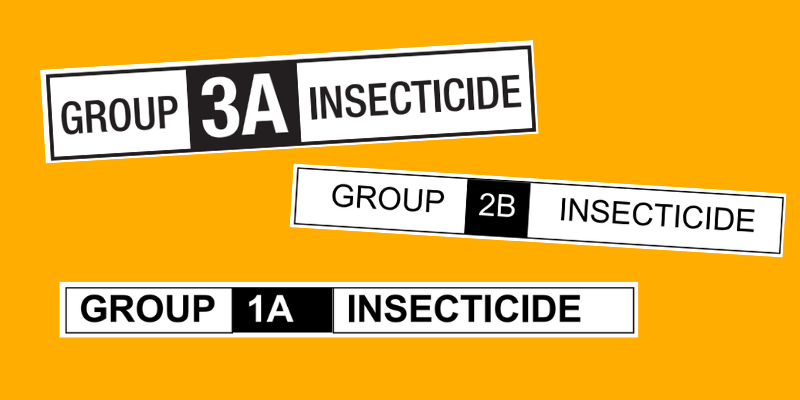
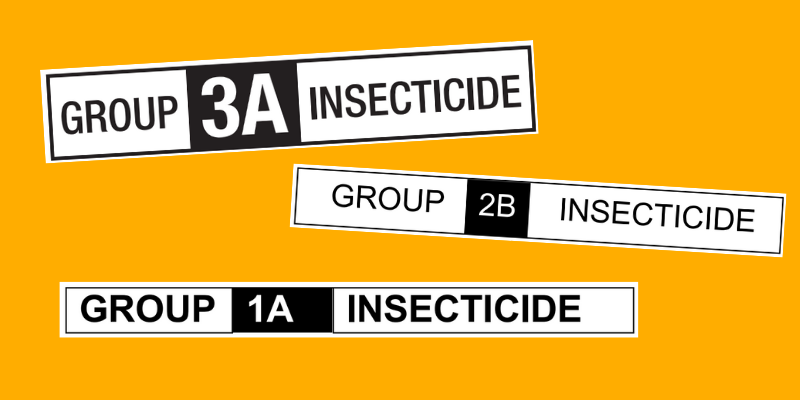
Insecticides can be grouped into chemical classes based on their mode of action (MOA) or how they chemically control an insect. An insecticide’s chemical class is determined by the structure of its active ingredient, and insecticides with more than one active can belong to multiple chemical classes.
While an insecticide’s chemical class may not always appear on the label or Material Safety Data Sheet (MSDS), understanding the properties and modes of action of the main chemical groups allows pest managers to use them more effectively and safely.
Why are chemical classes important to pest technicians?
Insecticides play a vital role in controlling pests as their active ingredients disrupt an insect’s natural body functions, often leading to their death. However, as some of these body functions are similar in humans and other animals, pest technicians must take precautions when handling these products. Choosing the pesticide class with the lowest toxicity and applying it correctly can help minimise risks to you as the applicator, your clients and the environment.
Read on to find an overview of some of the most common insecticide chemical families.
Organophosphates (MOA Group 1B)
Active Ingredients: Examples include malathion, chlorpyrifos, dichlorvos, fenthion and diazinon
Mode of Action: Organophosphates (OPs) were used widely in the past due to their broad-spectrum control of a variety of insect species. They were developed as alternatives to organochlorines like DDT which have been banned in Australia since 1987. Organophosphates work by irreversibly inhibiting acetylcholinesterase, an enzyme essential for nerve function.
Human Toxicity: As human nervous systems also rely on acetylcholinesterases, organophosphates also pose a high acute toxicity risk to us and can lead to adverse long-term health effects.
Environmental Persistence & Usage: While organophosphates have a low to moderate persistance in the environment, they have a cumulative toxic effect where multiple exposures to this chemical amplifies the toxicity. Because of this, the use of organophosphates has become increasingly restricted worldwide and when they are used, they must be handled carefully.
Carbamates (MOA Group 1A)
Example Products:
- Ficam W Insecticide (Bendiocarb)
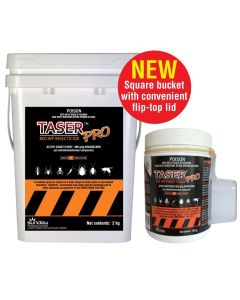
- Taser Pro 800 WP Insecticide (Bendiocarb)
- Battleaxe Pro Aerosol (contains Propoxur and other actives)
Mode of Action: Carbamates are broad-spectrum insecticides that are effective against a wide range of pests. Their mode of action is similar to organophosphates as they reversibly inactivate the enzyme acetylcholinesterase.
Human Toxicity: In humans, overexposure to carbamates mostly occurs through skin absorption or ingestion. While carbamates are considered moderately toxic with acute poisoning symptoms usually displayed within minutes of exposure, they are generally less toxic than organophosphates and chronic poisoning is rare as carbamates do not build up in the body and are rapidly metabolised and excreted.
Environmental Persistence: The environmental persistence of carbamates is also limited as they typically break down within days to weeks.
Usage: While carbamate insecticides are still used in agricultural, domestic and commercial situations, their use has declined due to environmental and health concerns.
Pyrethrins (MOA Group 3A)
Example Products:
- PyMatic Metered Aerosol Insecticide (Pyrethrin)
- PY Spray Aerosol Insecticide (Pyrethrin)
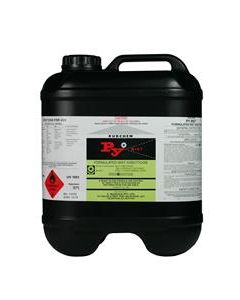
- PY Mist Insecticide (Pyrethrin)
- PY Fog Insecticide (Pyrethrin)
- Chaindrite 2 Metered Insect Spray (Pyrethrin)
Mode of Action: Pyrethrins are natural insecticides derived from the flowers of certain Chrysanthemum species like daisies. They disrupt an insect’s nervous system upon contact, causing a rapid knockdown effect where within a few minutes, the insect will be unable to move or fly away. Due to this, pyrethrins are especially effective against flying insects like mosquitoes and flies, however they can also be used to control ants, cockroaches, fleas, lice and silverfish.
Environmental Persistence: A drawback of using pyrethrins for pest control is that they break down quickly in light and air so they are not very persistent in the environment.
Human Toxicity: Overall, pyrethrins pose a low toxicity risk to humans, although if exposed to in large quantities, humans may show symptoms of poisoning including sneezing, throat irritation and breathing difficulties.
Synthetic Pyrethroids (MOA Group 3A)
Example Products:
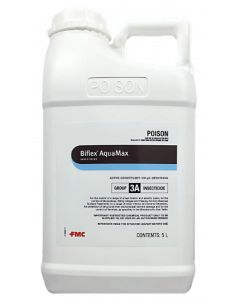
- Biflex Ultra Lo-Odour 100EC Termiticide & Insecticide (Bifenthrin)
- PCO Bifenthrin 100SC (Bifenthrin)
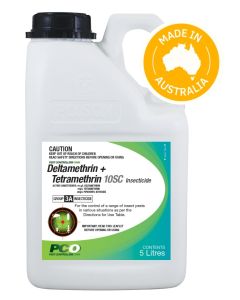
- PCO Deltamethrin Tetramethrin 10SC (Deltamethrin and Tetramethrin)
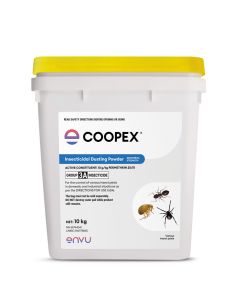
- Coopex Dust Insecticidal Dusting Powder (Permethrin)
- Demand 100CS Insecticide (Lambda-Cyhalothrin)
- Fendona Plus 60SC Insecticide (Alpha-Cypermethrin)
Mode of Action: Synthetic pyrethroids are man-made versions of pyrethrins and are also broad-spectrum and fast acting upon contact. SPs have been designed to be longer-lasting than natural pyrethrins while retaining their insecticidal properties.
Environmental Persistence: Once applied, synthetic pyrethroids will adhere to a surface and will not tend to transfer – they are insoluble in water, immobile in soil and are strongly adsorbed to particles such as wood and soil. Though they are more stable than natural pyrethrins, they will be broken down by sunlight and microorganisms like bacteria, so are not generally considered to be persistent in the environment.
Toxicity: Many pyrethroids are amongst the safest insecticides available as the refining of their formulations has led to improvements such as faster knockdowns, and increased toxicity to target insects alongside increased safety to humans.
In saying this, pyrethroids remain highly toxic to bees, fish and other aquatic life, so pest technicians must exercise caution when applying pyrethroids outdoors when bees are active, near waterways or fish tanks.
Usage: When selecting the right pyrethroid for your job, keep in mind that different pyrethroids vary in formulation, environmental behaviour, and residual activity – for example Bifenthrin has longer residual activity while Deltamethrin has a quicker knockdown effect.
Resistance Risk: While synthetic pyrethroids have broad-spectrum effectiveness against many pests, their overuse can cause pests to develop resistance against this group of insecticides.
Neonicotinoids (MOA Group 4A)
Example Products:
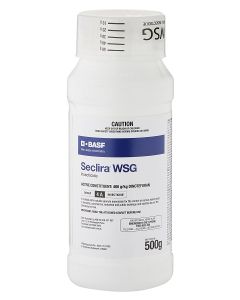
- Seclira Pressurised Insecticide (Dinotefuran)
- Premise 200SC Insecticide (Imidacloprid)
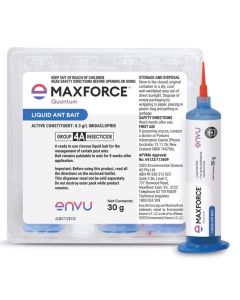
- Maxforce Quantum Liquid Ant Bait (Imidacloprid)
- Maxforce Activ Cockroach Gel (Clothianidin)
- Optigard Ant Bait Gel (Thiamethoxam)
Mode of Action: Neonicotinoids or neonics are currently one of the most popular chemical classes in professional pest control as they provide long-lasting and broad-spectrum protection against many insects including subterranean termites, cockroaches, beetles, ants, aphids, fleas and more.
As indicated by their name, neonicotinoids have similar effects to nicotine, affecting insect nervous systems and causing paralysis and death.
Usage: Neonics provide much versatility in their application methods. As systemic insecticides, they can be applied directly to plants or as a soil treatment to be taken up by the plant and distributed throughout their tissues. Due to their water solubility, some formulations can also be applied as a non-repellent chemical soil treatment for termite management.
Human Toxicity: While neonics are considered less toxic to humans compared with older chemical classes like organophosphates or carbamates, research is still ongoing into the effects of exposure.
Environmental Persistence: Due to the prolonged environmental persistence of this chemical class, there are concerns that only a portion of the soil-applied chemical is absorbed by plants and the rest can leach into non-target plants and water sources. The systemic nature of the chemistry also means residues in pollen and nectar can affect pollinators such as bees.
Phenylpyrazoles (MOA Group 2B)
Example Products:
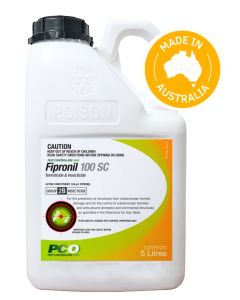
- PCO Fipronil 100SC Termiticide and Insecticide (Fipronil)
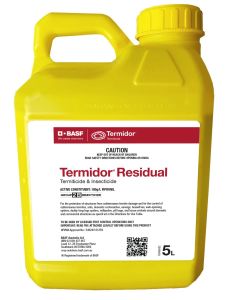
- Termidor SC Residual Termiticide (Fipronil)
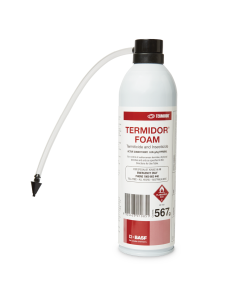
- Termidor Foam Termiticide and Insecticide (Fipronil)
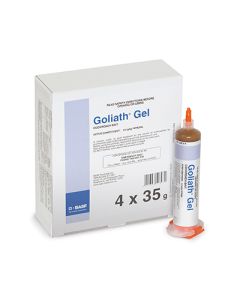
- Goliath Cockroach Gel Bait (Fipronil)
- SAS Pro Fipronil Granule Ant Killer (Fipronil)
Usage: Phenylpyrazole insecticides were developed in response to increasing pesticide resistance to other chemicals. Now, along with neonicotinoids, they are some of the most widely used pesticides.
Fipronil is the most popular active ingredient in the Phenylpyrazole chemical family due to its effectiveness and versatility. It is available in many forms such as liquid concentrates, gel baits, foams, granules and dusts and can control subterranean termites, ants, cockroaches, spiders, house crickets and more.
Mode of Action: Phenylpyrazoles like Fipronil are broad-spectrum insecticides that function by blocking GABA-gated chloride channels in insects, causing target insects to become overstimulated and eventually die.
Phenylpyrazole products do not provide rapid knockdown and affected insects will generally take 3-5 days to die.
Human Toxicity: Humans and other mammals do not have the type of chloride channel that Phenylpyrazoles target and so are much less susceptible to its effects compared to insects and other invertebrates.
Fipronil is considered low to moderate in toxicity and can cause eye and skin irritation if contacted dermally. When inhaled or ingested, reported symptoms have included nausea, headaches, vomiting and dizziness. Always follow label instructions and take precautions to minimise your exposure.
Environmental Persistence: Due to its residual nature and long half-life in soil and water, the increased usage of Fipronil has led to a general accumulation in the environment.
Fipronil is highly toxic to fish and aquatic organisms and also dangerous to bees. It should not be applied to areas where surface water is present or if heavy rains are expected to occur within 48 hours of application.
Key safety guidelines when applying insecticides
Regardless of the chemical class of the insecticide you’re applying, safe use is essential. Always:
- Read and follow the label directions carefully
- Consult the MSDS for hazard information
- Wear appropriate PPE to prevent exposure
- Conduct a risk assessment for the chemical and the site
- Inform clients about the treatment, associated risks, and precautions to minimise exposure
---
Understanding pesticide chemical classes helps pest professionals choose the safest and most effective product for the job. By combining knowledge of each chemistry’s properties with careful application practices, pest managers can protect public health, maintain effective control of unwanted insects, and reduce environmental risks.
If you have more questions about how our products function out in the field, don't hesitate to contact the friendly and knowledgeable experts at your local Globe branch.