Equipment Checklist for Starting a Pest Control Business

Equipment Checklist for Starting a Pest Control Business
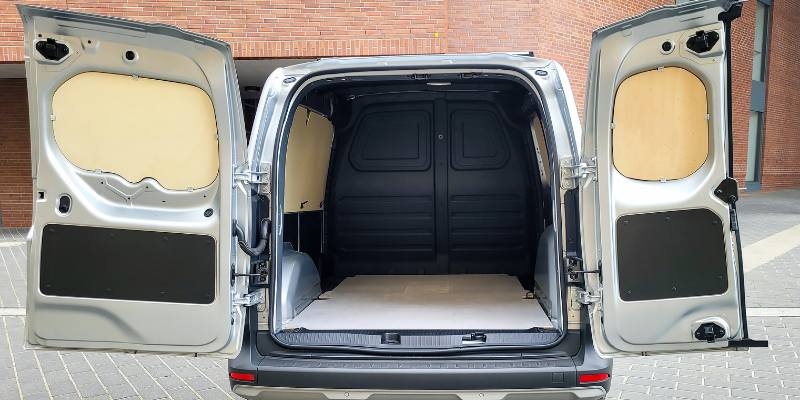
So you’ve got your pest licence, ABN, insurance, bank account, marketing materials and business management software sorted. All that’s left now is to kit out your truck!
Starting a new pest control business is an exciting step but knowing exactly what equipment and products you need can feel overwhelming. What you’ll require will depend on the services you plan to offer, whether that will include general pest control, termite management, rodent control or a combination. With a significant upfront investment involved, making the right choices from the start is essential.
Read on to find everything you need to set up your new pest control business, and if you want more information on selecting the right gear, get in touch with the friendly experts at your local Globe Pest Solutions branch!
Inspection Tools
Effective pest control begins with using specialised building inspection tools to identify existing pests and their harbourage areas, as well as locating and eliminating any potential attractants and entry points.
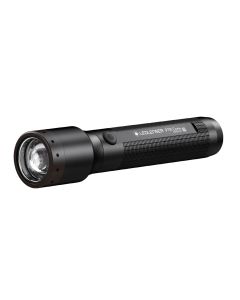
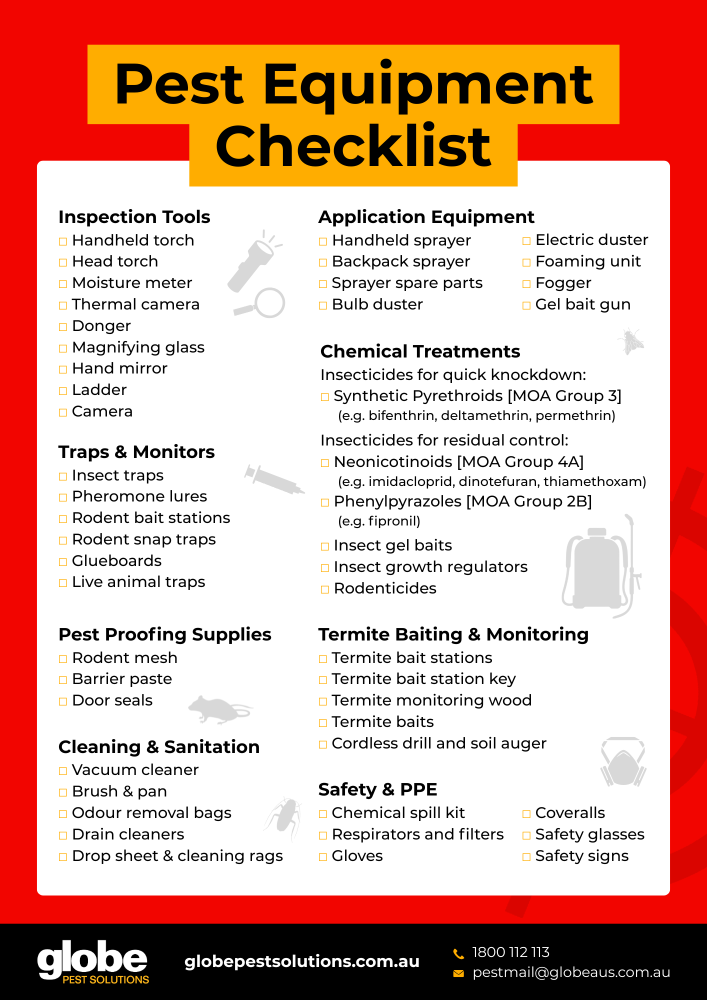
- Handheld Torch – Improves visibility especially in dark areas and helps you detect entry points and signs of pest activity. UV flashlights are especially useful for detecting organic stains like rodent urine and insect eggs
- Head Torch – Ideal when exploring dark and confined spaces, a head torch keeps your hands free to crawl, climb and use other tools like moisture meters and cameras
- Moisture Meter – Detects excess moisture in building materials and identifies hidden leaks that are creating conditions attractive to pests
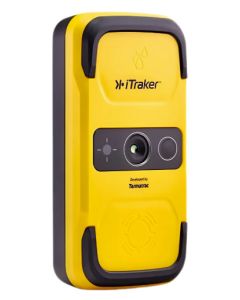
- Thermal Camera – This non-invasive tool is used to pinpoint unexpected heat signatures within walls or structures that can indicate a pest infestation
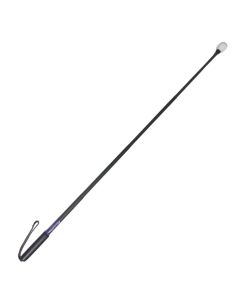
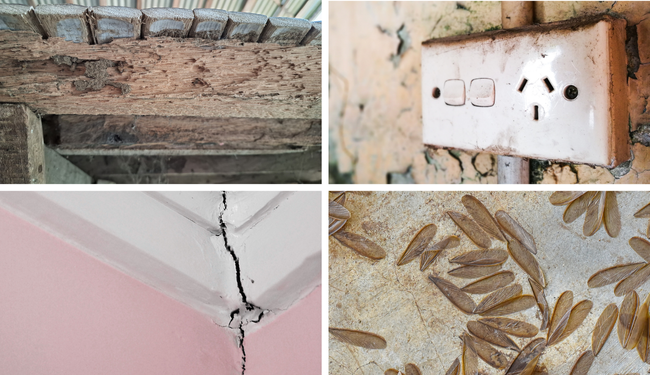
- Donger – Especially useful for termite detection, dongers are tapped against timber structures and if a hollow or dull sound is detected, this may indicate internal damage caused by termites
- Magnifying Glass – Helps you to examine and identify any pests or eggs found
- Hand Mirror – When used in combination with a torch, a small mirror with a handle will help you inspect areas that are not normally visible, for example below and behind appliances and equipment
- Ladder – Used to gain access to roof voids and other elevated areas
- Camera – The camera on your smartphone is ideal for accurately capturing the severity and location of infestations and other issues. By including these in your report, you can better help your customers understand the problem, plus document the effectiveness of your treatments
Traps and Monitoring Devices
Traps and monitoring devices are used to monitor pest activity, capture pests, or eliminate them without the use of chemical sprays.
- Insect Traps – Insect traps and monitors are available in various forms to attract and capture various insects, allowing you to pinpoint areas with the heaviest infestations. These may feature pheromone lures as an attractant
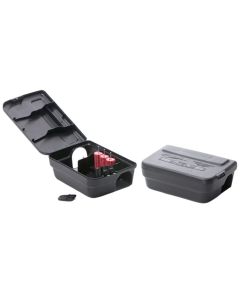
- Rodent Bait Stations – Rodent bait stations are tamper-resistant boxes that securely hold bait blocks or snap traps, keeping them away from non-target animals and children. To properly secure and service your bait boxes, make sure to carry the matching rodent bait station key and rodent station fixings
- Rodent Snap Traps – Mouse traps and rat traps are traditional spring-loaded devices used for effective elimination of rats and mice without the need for toxic baits
- Rodent Glueboards – These boards are coated with powerful sticky adhesives that immobilise rats and mice upon contact. Note that the use of rodent glue traps are prohibited in some states/territories
- Live Animal Traps – Used in feral animal control to humanely catch larger wildlife like possums so they can be relocated according to local regulations
Pest Proofing Products
Insect and mouse and rat proofing products are ideal tools for pest prevention as part of an Integrated Pest Management (IPM) approach. These items are used to shore up any potential entry points and prevent pests from gaining access to your clients’ property.
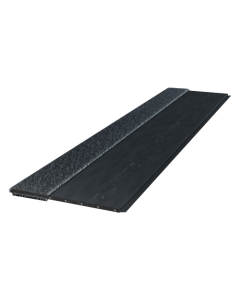
- Rodent mesh – These versatile pieces of metal netting act as physical barriers to prevent rats, mice, snakes and more from entering buildings. These durable panels can withstand gnawing and can be cut and bent to fit various openings, for example around pipes, vents or under doors.
- Barrier paste – This waterproof, non-toxic sealant is used to block small holes, cracks and crevices indoors and outdoors
- Rodent door seals – Specialised barriers made from or reinforced with stainless steel designed to block gaps under and around doors, preventing rats, mice and other pests from chewing holes and squeezing through
Application Equipment
In order to apply pesticides precisely and safely, make sure to use the application equipment that best suits the area you’re treating.
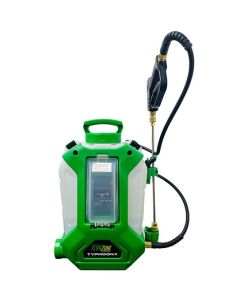
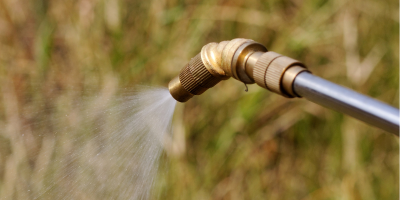
- Chemical Sprayers – Spraying equipment is essential for liquid applications, you’ll need a small handheld sprayer for spot treatments and a battery-powered backpack sprayer for larger jobs
- Sprayer Spare Parts – As pest managers rely heavily on their spray equipment, it’s important to keep common sprayer replacement parts on hand so if anything goes wrong on the job, you can quickly make on-site repairs and finish the job. For more information, check out our article on maximising your sprayer’s performance with regular cleaning.
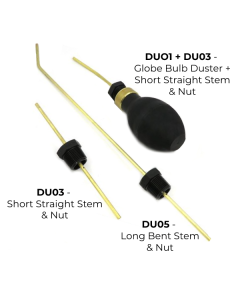
- Dusters – Bulb dusters are used to manually blow dust into small cracks and crevices while motorised blowers are required for treating large spaces like crawl spaces, attics and other undisturbed areas
- Foamers – Expand your liquid solutions into foam with a foaming unit and treat drainpipes and voids, creating a barrier that pests cannot avoid
- Foggers (Thermal/Cold ULV) – Foggers and misters are ideal for treating large areas indoors and outdoors as they disperse a fine insecticide mist that can take down hordes of flying insects
- Gel Bait Guns – Gel bait applicator guns help you to apply precise amounts of gel baits when targeting pests like ants and cockroaches
- Measuring Jugs – Chemical measuring jugs are spill-resistant containers of various sizes used to accurately measure liquid chemicals
Chemical Treatments
Different chemicals are best suited for different pests and situations – read the label to find out what pests each product is ideal for targeting, what application rate you should use, necessary safety equipment and more. Always follow label instructions.
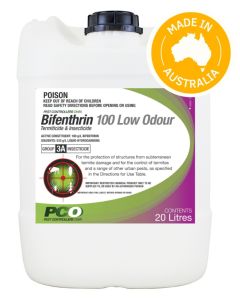
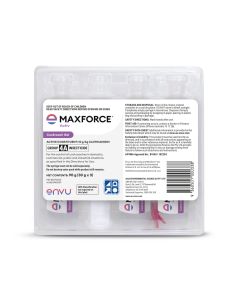
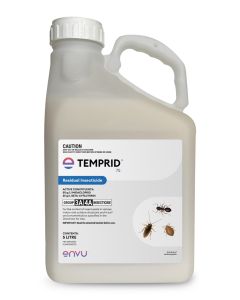
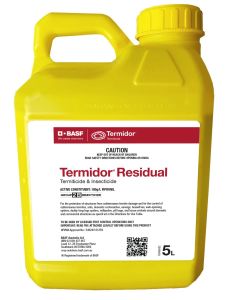
- Insecticides – Insecticides are available as liquids, dusts, baits, gels and more to kill, repel and control pest insects. Learn more about how active ingredients fall into insecticide chemical classes and when to use each in our article. Some common insecticide classes that are ideal for professional pest control include:
-
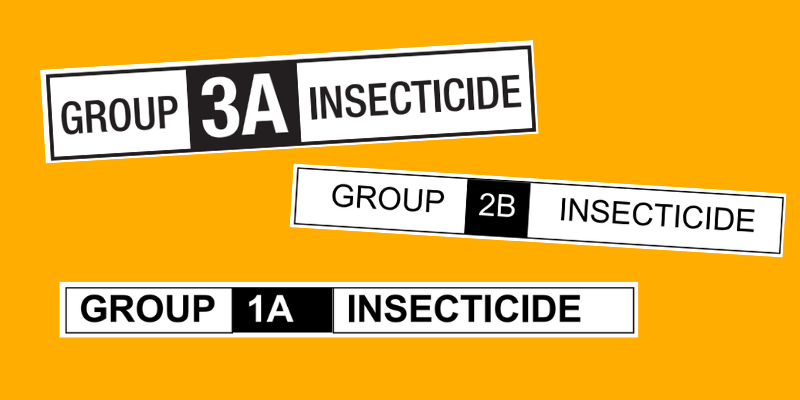
- (MOA Group 3A) Pyrethrins as well as Synthetic Pyrethroids like bifenthrin, deltamethrin and permethrin provide rapid knockdown of a broad spectrum of insects but are not long-lasting in the environment
- (MOA Group 4A) Neonicotinoids like imidacloprid, dinotefuran and thiamethoxam provide long-lasting and broad-spectrum protection against many insects but can negatively affect pollinators like bees
- (MOA Group 2B) Phenylpyrazoles like fipronil are broad-spectrum insecticides that take several days to kill affected insects. They have low to moderate human toxicity, and are highly toxic to aquatic organisms and bees
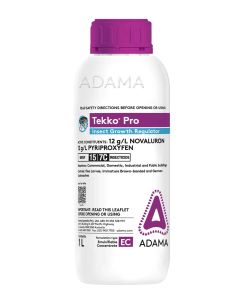
- Insect Growth Regulators (IGRs) – Insect growth regulators like pyriproxyfen and triflumuron do not typically kill adult insects directly, however they prevent immature stages (larvae, nymphs, pupae) from reaching adulthood and reproducing in order to stop infestations over time
- (MOA Group 3A) Pyrethrins as well as Synthetic Pyrethroids like bifenthrin, deltamethrin and permethrin provide rapid knockdown of a broad spectrum of insects but are not long-lasting in the environment
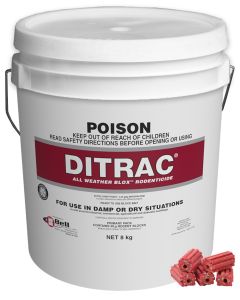
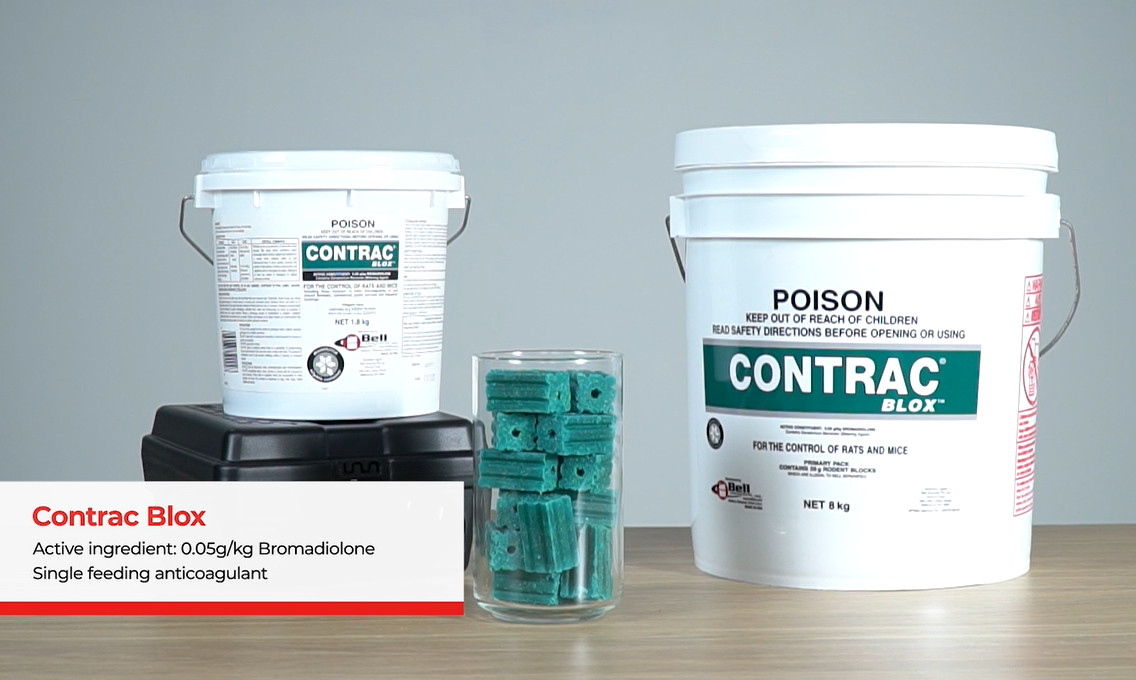
- Rodenticides – Generally formulated as attractive bait blocks but also available as palatable soft baits, pellets and powders, rodenticides are generally divided into anticoagulants and non-anticoagulants. Learn more about how rodenticides work with our article and video.
Termite Baiting & Monitoring
Termite baiting and monitoring systems are a proactive pest control method that involves strategically placing stations around a property to intercept foraging termites with an attractive bait.
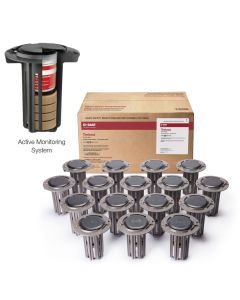
- Termite Bait Stations – Available as in-ground or above-ground units. These containers consist of the station body and a lockable lid
- Termite Bait Station Key – Used to unlock a bait station when servicing it
- Termite Monitoring Wood – Palatable timbers placed in the bait station to attract subterranean termites. When an infestation is confirmed, these are swapped out for active baits
- Termite Baits – Contain a slow-acting termiticide that is transferred from foraging termites throughout their entire nest for total colony collapse
- Soil Auger – Soil augers are heavy-duty spiral blades that you can easily attach to your standard cordless drill to easily create holes for the installation of in-ground termite baiting systems
Safety & Personal Protective Equipment (PPE)
To stay safe on the job and protect other people and the environment, make sure to use appropriate PPE and personal safety equipment when handling and applying pesticides – always read the label and follow the instructions precisely.
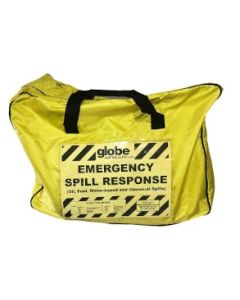
- Chemical Spill Kit – Be prepared for when accidents happen by always carrying an emergency spill kit designed for the safe and effective cleanup of fuel, water-based and chemical spills
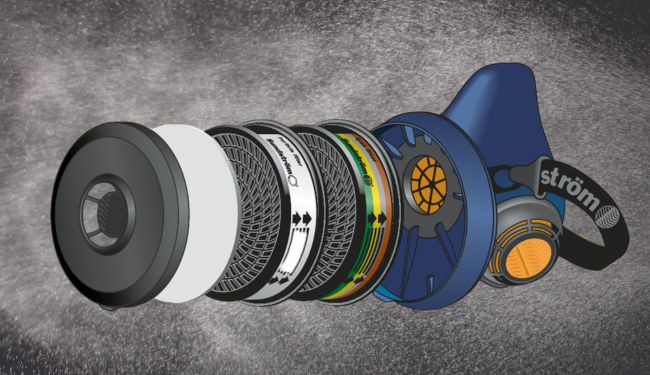
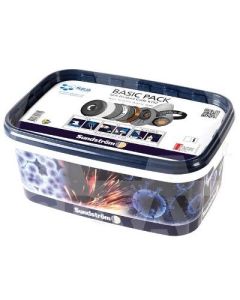
- Respirators & Filters – Avoid breathing in hazardous chemicals by wearing a respirator when conducting inspections and handling chemicals. Learn more about selecting the right respirator and filters for pest control by reading our article.
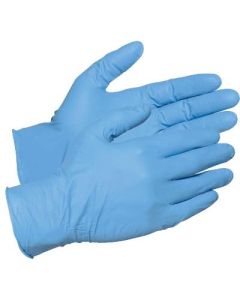
- Gloves – Chemical-resistant gloves are essential PPE that protect against dermal exposure to hazardous substances
- Coveralls – Shield your skin and clothing from dirt, grime and hazardous chemicals
- Safety Glasses – Eyes are very sensitive to pesticides so wear goggles, face shields or full-face respirators when necessary
- Safety Signs – Ensure the safety of other people in the area by prominently displaying signs that clearly indicate dangers and communicate what pesticides are being sprayed
Cleaning & Sanitation
As a pest technician, you’re often dealing with environments that are dirty or unsanitary due to the filth left by pests. To maintain a professional appearance and be considerate to your clients, make sure to have these pest sanitation products on hand.
- Vacuum Cleaner – A useful tool for removing or reducing the pest population and cleaning an area before sprays or baits are applied, however vacuuming is not a complete pest control solution on its own. Make sure your vacuum is fitted with a HEPA filter (High-Efficiency Particulate Air filter) to prevent microscopic particles and allergens produced by pets from becoming airborne
- Brush & Pan – Used before or after treatment to sweet up general debris, droppings, and more
- Odour Removal Bags – Hang odour eliminator bags to neutralise odours from dead rodents, pest urine and faeces, and more for an average of 3-4 months
- Drain Cleaners – Pour these down sink drains to eliminate the build-up of organic sludge where pests like drain flies, cockroaches and ants breed and feed
- Drop Sheet & Cleaning Rags – Avoid soiling your clients’ floors by standing on a drop sheet when you exit dirty areas. Similarly, have cleaning rags on hand to wipe away grime, overspray or other mess
Globe Pest Solutions is Australia’s leading supplier of pest control supplies, equipment and advice to professional pest managers. Shop online or at one of pest branches near you to ensure you’re fully equipped to tackle every job with confidence.
Related Posts
How to Maximise Your Sprayer's Performance with Regular Cleaning
Choosing the Best Nozzle Spray Pattern for Pest Control
Understanding Spray Pressure, Flow Rate, Droplet Size and More
Cleaning and Maintenance Tips to Maximise Spray Nozzle Performance